
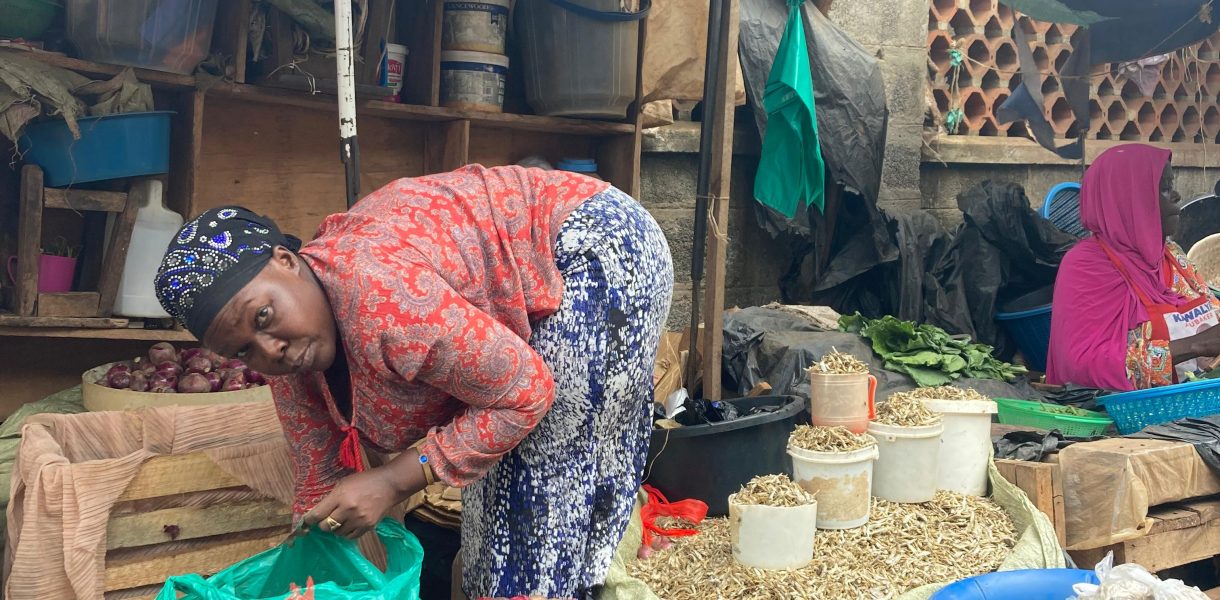
Over the past few days, the World Farmers Markets Coalition joined FAO on a mission to Uganda within the framework of the Green Cities Initiative. The initiative aims to improve urban environments, strengthen urban–rural linkages, and enhance the resilience of urban systems, services, and populations to external shocks. By promoting access to healthy environments and nutritious diets through sustainable agri-food systems, and by increasing the availability of green spaces through urban and peri-urban forestry, the programme contributes to climate change mitigation and adaptation, as well as to sustainable resource management.
Recognising the strategic role that markets play in cities—feeding communities and providing vital trading spaces for farmers—WorldFMC was invited to provide technical expertise and contextual analysis to inform the next phases of the project.
In Kampala, the team visited a number of local markets to gain first-hand insight into the city’s market landscape, characterised primarily by wholesale and retail markets under both public and private management. The visits were arranged and guided by our local members from Advocates for Public Space and provided an opportunity to engage directly with market managers and local decision-makers. These discussions highlighted both the key challenges and the significant opportunities facing Kampala’s markets.
One issue stood out in particular: the scale of food waste generated daily across the city’s markets. The four markets visited during the mission alone produce more than 134 tonnes of organic waste each week—most of it consisting of spoiled food—underscoring the urgent need for improved waste management, along with strategies to minimise food waste across the whole value chain.
Addressing this challenge requires a systemic approach that encompasses all stages and actors of the food value chain. It calls for coordinated strategies and multi-level interventions—at farm, transport, commercialisation, trade, policy, and urban development levels—to reduce losses, improve efficiency and sustainable practices, and transform organic waste into a resource.
As WorldFMC, we will continue to support this transition by leveraging markets as key entry points for food system transformation, strengthening their role as drivers of sustainability, resilience, and socio-economic inclusion.
We would like to thank the FAO team for inviting us and accompanying us on the mission. Our gratitude also goes to the Kampala Capital City Authority for welcoming us and providing an introduction to the local policies governing the markets. A special thanks goes to Boney Sensasi and David Ouma Balikowa from Advocates for Public Space, members of WorldFMC, who guided us during the market visits and whose ongoing research and development work contributes daily to the resilience and functionality of Kampala’s markets.