Following the positive results achieved in recent years, the Mediterranean and African Markets Initiative (MAMi) is entering a new phase aimed at further strengthening farmers markets in Africa and the Mediterranean. The second phase of the project builds on the experience gained between September 2023 and August 2025 and focuses on expanding the impact of local food systems in Egypt, Kenya and Lebanon.
The initiative is implemented by CIHEAM Bari in collaboration with the World Farmers Markets Coalition (WorldFMC) and local partners in the three partner countries: the Alexandria Chamber of Commerce in Egypt, the Regional Coalition for Farmers Market (RECOF) in Kenya and the Lebanon Farmers Markets Coalition (LFMC) in Lebanon. The project contributes directly to Sustainable Development Goal (SDG) 2, which aims to end hunger, improve nutrition and promote sustainable agriculture.
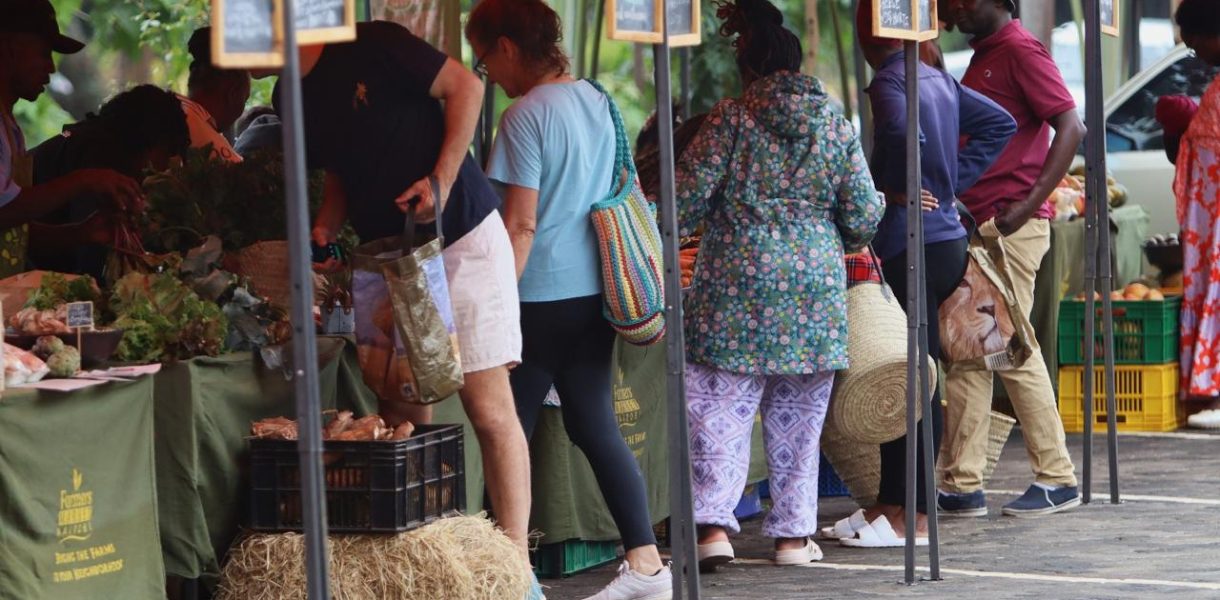
The new phase capitalises on the concrete results already achieved during the first project cycle. Farmers markets established in Alexandria, Nairobi and Tripoli are now operating on a regular weekly basis and have demonstrated strong economic and social impact. All participating farmers reported an increase in income, with nearly half of them recording growth between 10% and 20%, and more than 20% reporting even higher increases. These results confirm the effectiveness of farmers markets as tools to support small-scale producers and strengthen local food systems.
In this second phase, the project will focus primarily on capacity building activities aimed at improving farmers’ skills and strengthening their ability to work collectively. Training activities will support farmers in improving production quality, product selection and post-harvest management, while also helping them enhance the market value of local products. Particular attention will be given to reducing food losses, improving storage practices and encouraging value addition through proper processing and product transformation.
Another key objective of the initiative is to strengthen farmers’ entrepreneurial skills, especially in relation to market systems. Farmers will receive support in areas such as food safety standards, quality control and price negotiation, enabling them to better position themselves within local markets and improve their economic sustainability.
At the same time, the project will contribute to the opening and regular weekly management of a second farmers market in each partner country, led by local organisations. Awareness-raising activities will also be organised in collaboration with national ministries to promote knowledge of local food systems and the opportunities offered by multifunctional agriculture.
The initiative directly benefits small-scale farmers and producers from the agricultural, livestock and fisheries sectors, as well as agricultural enterprises, cooperatives and producers’ networks. Local farmers market managers will also benefit from the project, while the wider rural communities and citizens in the areas where the markets operate will benefit indirectly through improved access to local, fresh and sustainable food.
With this new phase, the MAMi project continues to promote more inclusive, resilient and sustainable food systems, strengthening the role of farmers markets as a key tool for rural development and food security in the Africa and Mediterranean region.