
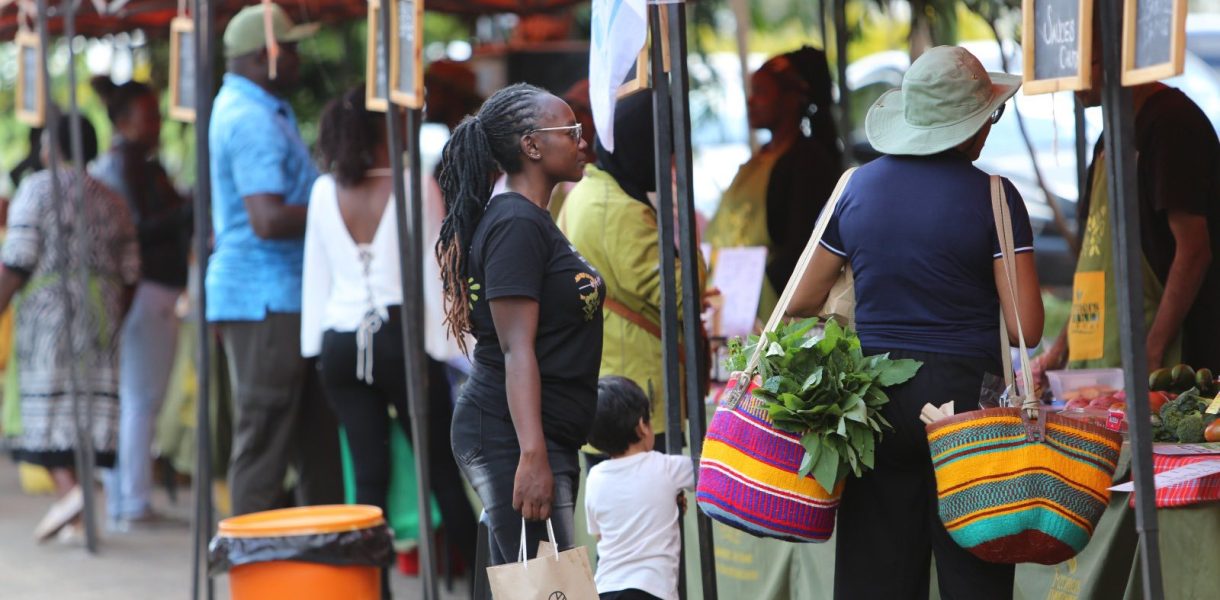
As Kenya continues to seek sustainable solutions to food security, nutrition, economic resilience, and community development, local food systems are gaining renewed attention as a critical pathway toward a more equitable and sustainable food future. Farmers markets, direct producer-to-consumer sales, and community-based food networks offer significant opportunities for strengthening local economies while ensuring that farmers receive fair returns for their work.
Recognizing the growing importance of these issues, stakeholders from across the food system will gather for a policy dialogue and stakeholder discussion titled “The Future of Local Food Systems in Kenya: Public Spaces, Farmers Markets and Producer Rights.” The event will bring together farmers, producer organizations, county government representatives, policymakers, consumers, researchers, women and youth groups, and community members to explore how policies and partnerships can support thriving local food systems.
This policy dialogue is supported through the LoA with FAO for the provision of “Technical Assistance to Strengthen Farmers’ Markets Associations” under the project “Global Network of Farmers Markets” – a three year project which aims to explore and promote diverse farmers markets models and collective mechanisms for small-scale producers to engage in sustainable food systems and become agents of economic, social and environmental sustainability.
The research aims to better understand the role of farmers markets in strengthening local food systems, improving market access for small-scale producers, and supporting sustainable food economies. The dialogue in Kenya will contribute valuable insights to this broader international learning process, helping to inform policies and practices that support producer rights, public market spaces, and resilient local food systems across participating countries.
Why This Dialogue Matters
Across Kenya, small-scale farmers play a vital role in producing food for local communities. However, many producers face challenges in accessing markets, securing fair prices, and finding suitable public spaces where they can sell directly to consumers. At the same time, consumers are increasingly interested in fresh, locally produced food and in supporting the people who grow it.
Producer-only farmers markets have emerged as an important model for connecting farmers directly with consumers, increasing transparency, strengthening local economies, and building trust within communities. By reducing the number of intermediaries in the food chain, these markets help farmers retain a larger share of the value of their products while giving consumers access to fresh, locally sourced food.
To fully realize their potential, supportive policies are needed to guarantee access to public spaces, protect producer rights, and create enabling environments for market development. The upcoming dialogue aims to create a platform where diverse stakeholders can exchange ideas, identify challenges, and develop practical solutions that strengthen local food economies while improving food security, nutrition, and community well-being.
Key Areas for Discussion
Participants will engage in conversations around several important themes, including:
- Access to public spaces for farmers markets.
- Policies that support producer-only farmers markets.
- Strengthening direct market access for small-scale farmers.
- Protecting producer rights and ensuring fair market participation.
- Building inclusive and resilient local food systems.
Guiding the Conversation
The dialogue will focus on three key questions that are central to the future of local food systems in Kenya.
- 1. The Role of Women and Youth in Food Systems
Women and young people are essential contributors to agriculture and food systems, yet they often face barriers to participation, leadership, and access to economic opportunities. Participants will explore how policies and farmers markets can create greater opportunities for women and youth to participate, innovate, lead, and benefit throughout agricultural value chains and local food systems.
- 2. The Importance of Farmers Associations
Strong farmers associations and producer organizations play a critical role in market governance, producer verification, advocacy, and market development. Discussions will examine how these organizations can be empowered to strengthen producer representation, protect producer rights, and support the growth and sustainability of farmers markets across Kenya. - 3. Stakeholder Engagement and Partnerships
Building successful local food systems requires collaboration among many actors. The dialogue will explore mechanisms that can strengthen partnerships between county governments, farmers, consumers, civil society organizations, researchers, and the private sector to support thriving producer-only farmers markets and resilient local food systems.
Expected Outcomes
The event seeks to generate meaningful outcomes that can guide future action, including:
- Recommendations for policies that secure public spaces for farmers markets.
- Increased awareness and understanding of producer rights and producer-only market models.
- Stronger partnerships among key stakeholders across the food system.
- A shared vision for advancing sustainable and inclusive local food systems in Kenya.
Event Details
Date: Saturday, 6 June 2026
Time: 10:00 AM – 12:00 Noon
Venue: Farmers Market Nairobi, Rosslyn Square Mall, Redhill Road, Nairobi
Building Kenya’s Food Future Together
The future of Kenya’s food system depends on creating environments where farmers can thrive, consumers can access healthy local food, and communities can benefit from stronger local economies. By supporting producer rights, protecting public spaces for farmers markets, and fostering collaboration among stakeholders, Kenya can build food systems that are more resilient, inclusive, and sustainable.
This dialogue offers an important opportunity to shape that future. Farmers, producer organizations, policymakers, researchers, consumers, women and youth groups, county government representatives, civil society organizations, and all interested stakeholders are invited to join the conversation and contribute to a shared vision for local food systems that work for farmers, consumers, and communities alike.
Together, we can explore how public spaces, farmers markets, and producer rights can help shape a more equitable, resilient, and sustainable food future for Kenya while contributing to broader regional and international efforts to strengthen local food systems.