Image Credit: Mercado el 100
Farmers markets are much more than places of exchange; they are spaces where trust is built, relationships are nurtured, and communities reconnect with their food systems. At the heart of this trust lies transparency, the assurance that the person selling the product is truly the one who produced it, and that the values promoted by the market are upheld in practice. For this reason, regular controls within farmers markets and on farms are not administrative burdens, but essential tools for maintaining credibility, fairness, and strong relationships.
Ensuring Transparency and Authenticity in Farmers Markets
Within the market itself, controls help ensure that vendors respect shared rules and principles. These checks confirm that producers are selling their own products, that quality standards are met, and that the spirit of the market, authenticity, locality, and seasonality is preserved. When these processes are clear and consistent, they protect both producers and consumers. Farmers know they are operating in a fair environment where everyone follows the same standards, while consumers gain confidence that the products they purchase truly reflect the values they support.
Farm Visits: Building Trust Beyond the Market Stall
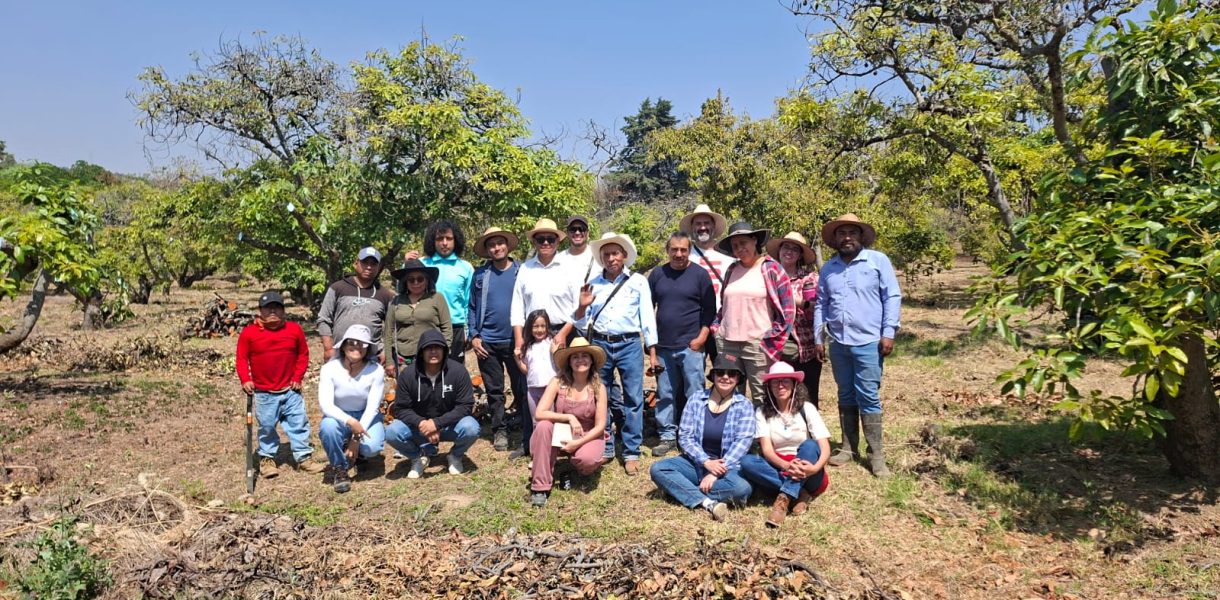
However, trust cannot be built solely at the market stall. Visiting farms and maintaining direct contact with producers allows market managers to better understand how food is grown, raised, and processed. These visits are not meant to be punitive inspections, but opportunities for dialogue and mutual learning. They provide space to discuss production methods, environmental practices, animal welfare, and seasonal challenges. Through this exchange, managers can support producers, verify transparency, and strengthen the integrity of the market as a whole.
The Value of Knowing Your Farmer
Knowing the producer is the essence of direct selling. When consumers can connect a face and a story to the food they buy, they develop a deeper appreciation for the work behind each product. They begin to understand the realities of farming, the dependence on weather, the care required to maintain soil health, and the commitment to sustainable practices. This awareness transforms a simple purchase into a meaningful relationship. It encourages more conscious consumption and reinforces the social value of supporting local farmers.
Strengthening Relationships Between Market Managers and Producers
Regular controls also play a crucial role in strengthening relationships between market managers and producers. When conducted with respect and openness, these interactions foster collaboration rather than enforcement. Managers gain insight into the daily realities and challenges farmers face, while producers receive feedback, guidance, and reassurance that standards are applied fairly. This ongoing dialogue builds mutual trust and helps markets adapt and improve without losing their core values.
Benefits for Consumers: Confidence, Quality, and Connection
For consumers, the benefits of this system are tangible. A well-managed farmers market offers transparency, authenticity, and quality. Shoppers can trust that their food is genuinely local, produced with care, and sold by the people who know it best. Beyond the products themselves, they gain a sense of connection to the land, to the seasons, and to the individuals who sustain their communities through agriculture.
Building Better Farmers Markets for the Future
Ultimately, regular and transparent controls, combined with strong human relationships, are key to the long-term success of farmers markets. They ensure that markets remain true to their mission: supporting farmers, empowering consumers, and building resilient local food systems. By fostering trust at every level, from farm to stall to table, farmers markets continue to thrive as spaces of integrity, sustainability, and community.
Image Credit: Mercado el 100