Across Europe, farmers markets are far more than places to shop. They are living infrastructures of food justice, rural resilience, and community connection. Ahead of the upcoming European Regional Meeting of the World Farmers Markets Coalition in Rotterdam, 13 organisations from across the continent share their perspectives on why farmers markets matter, the challenges they face, and what they hope to build together.
From Spain to Ukraine, a common thread runs through their answers: farmers markets are one of the most direct and powerful tools for reconnecting people with food, farmers, and place. For Xarxa de Consum Solidari (Spain), they are “a tool for food justice, climate action, and rural survival,” ensuring fair prices for farmers and strengthening local food systems. This vision of markets as drivers of systemic change is echoed across Europe, from Denmark to Poland.
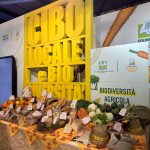
In Italy, Fondazione Campagna Amica highlights how farmers markets give visibility and fair value to farmers while strengthening local economies, protecting biodiversity, and preserving Italy’s rich agricultural heritage. Similarly, Grønt Marked (Denmark) and Bondens Marked (Norway) emphasize how markets reconnect consumers with seasonality, trust, and the real value of food, while supporting innovation and small-scale producers.
In the United Kingdom, both London Farmers Market and the Farm Retail Association underline the importance of direct sales, traceability, and consumer trust. At the same time, they point to structural challenges such as lack of recognition, funding, and the misuse of the term “farmers market,” which can dilute authenticity and visibility for genuine producers.
In Central and Eastern Europe, farmers markets play an especially critical role in sustaining small-scale agriculture. EcoLocal Moldova stresses the need for clear definitions and policy support for genuine farmers markets, as well as the lack of national recognition frameworks. In Bulgaria, Hrankoop Food Cooperative describes farmers markets as a “rescue plan” for small producers, but highlights severe institutional barriers, unfair regulatory systems, and the dominance of industrial agriculture.
Similarly, Fundacja Targ Pietruszkowy (Poland) focuses on the role of markets in reconnecting urban populations with local food systems, while warning about inconsistent regulations that vary between cities and hinder long-term development. In Romania, Smag din Tara Barsei emphasizes that farmers markets are essential for enabling small farmers to sell directly, but must be strengthened to become a secure and stable sales channel.
In Ukraine, farmers markets take on an even deeper significance. They are not only economic platforms but also essential elements of food security and community resilience in a context of war. In fact, The Institute of Socio-Economic Regional Studies stresses the urgent need to balance immediate survival with long-term alignment to EU standards, while also seeking international cooperation, investment, and recognition of Ukrainian farmers as active contributors to the European food system.
In Albania, farmers markets are described as essential for rural livelihoods and trust-building between producers and consumers. Market Development Policies at the Agency for the Administration of Markets highlights the challenge of modernising markets while preserving their authenticity and supporting farmers in adapting to evolving regulations and market pressures.
In the Netherlands, Stichting Rotterdamse Oogst reflects on the importance of rebuilding a more human and regenerative food system, while also pointing to a structural shortage of small-scale farmers and limited infrastructure to support them at scale.
Despite different contexts, the challenges raised across the organisations are strikingly similar. Farmers markets across Europe continue to face regulatory frameworks designed for industrial agriculture rather than small-scale, direct, and local systems. Bureaucratic burdens, lack of funding, limited recognition, and competition with large-scale retail and imports are recurring issues in nearly every country.
At the same time, cultural and economic pressures are growing. In Italy, Campagna Amica highlights the impact of “fake Made in Italy” products, rising energy costs, supermarket dominance, and complex administrative systems that threaten the viability of authentic local production. Across many countries, there is also a shared concern about perception, farmers markets are still too often misunderstood as niche, rather than recognised as essential public infrastructure for sustainable food systems.
Yet despite these challenges, the tone across all responses is overwhelmingly forward-looking. There is a strong desire to collaborate, learn, and build together.
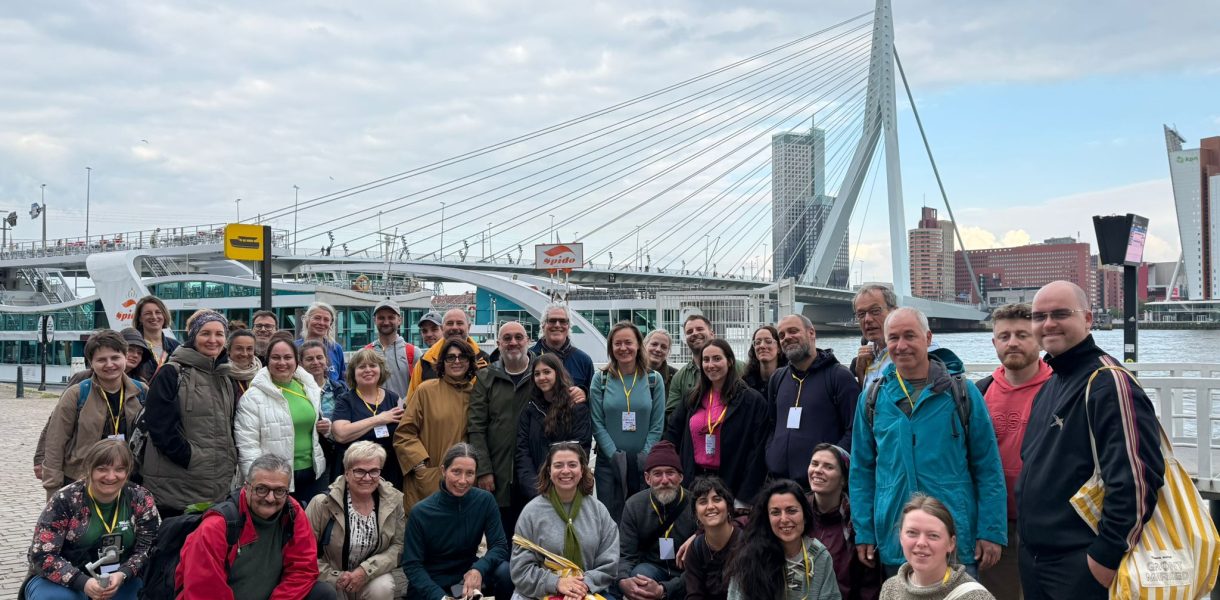
The Rotterdam meeting is seen as a crucial moment for this. All the organisations express a shared intention to exchange knowledge, explore best practices, and strengthen European cooperation. For some, it is also an opportunity to improve policy recognition and visibility. For others, it is about developing concrete European partnerships that strengthen farmers, citizens, and sustainable food systems.
Across Europe, the message is clear: farmers markets are not isolated local initiatives, but part of a shared European movement. They support farmers’ livelihoods, preserve cultural heritage, and build more transparent and resilient food systems.
As these organisations come together in Rotterdam, they bring with them different realities, but a common mission: to strengthen the role of farmers in society and to ensure that local, fair, and sustainable food systems continue to grow across Europe.
The European Regional Meeting will be attended by:
- Moldova – Ecolocal MD
- Romania – Smag din Țara Bârsei
- Norway – Bondens Marked
- Georgia – Association for Farmers Rights Defense (AFRD)
- Ukraine – Institute of Socio-Economic Regional Studies
- Bulgaria – Hrankoop Cooperative
- United Kingdom – London Farmers Markets and Farm Retail Association
- Spain – Xarxa Consum Solidari
- Albania – Market Development Policies at the Agency for the Administration of Markets
- Italy – Fondazione Campagna Amica
- Netherlands – Stichting Rotterdamse Oogst
- Poland – Fundacja Targ Pietruszkowy
- Croatia – Association of Croatian Markets
- Denmark – Grønt Marked