
Written by Director General Carmelo Troccoli.
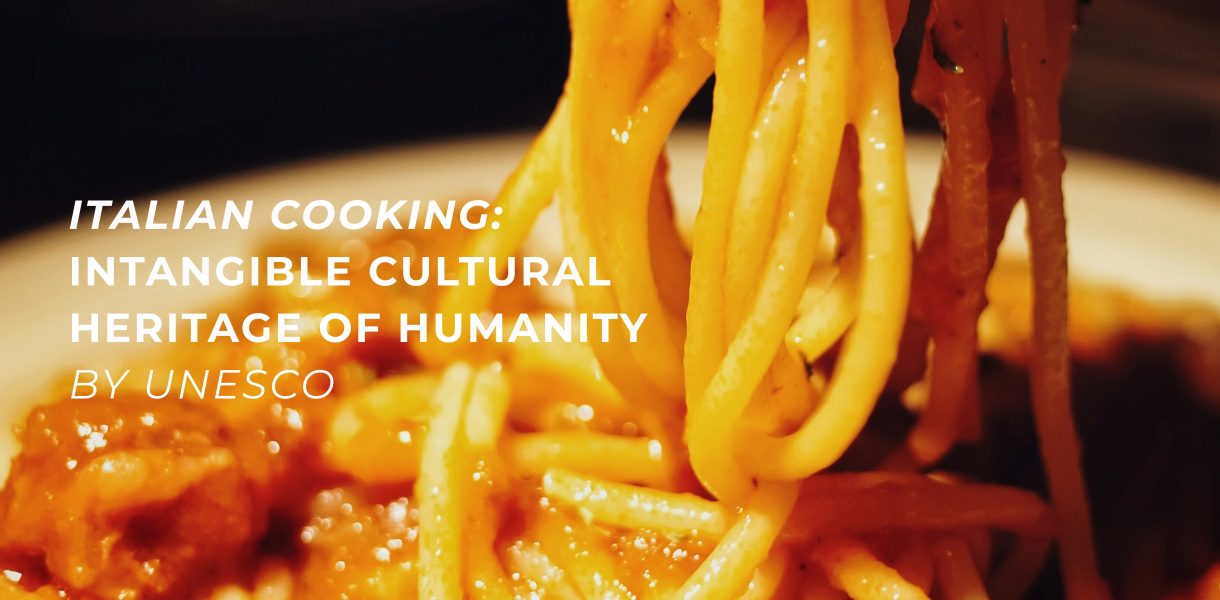
On December 10, 2025, UNESCO officially inscribed Italian cooking on its Representative List of the Intangible Cultural Heritage of Humanity, marking a historic moment not just for Italy, but for lovers of food and culture worldwide. This recognition celebrates the rich tapestry of culinary practices that transform simple ingredients into something far greater: community, identity, and memory.
Italian cuisine has always been beloved for its iconic dishes, from pasta and pizza to gelato and espresso, but UNESCO’s decision highlights something deeper. It honours the traditions, rituals, knowledge, and values that surround food, from the markets that link farmers and families to the kitchens where grandmothers patiently teach the next generation how to shape dough or balance a sauce.
More Than Ingredients: A Cultural Fabric
This recognition goes well beyond flavour profiles. UNESCO’s inscription describes Italian cooking as a “cultural and social blend of culinary traditions” rooted in practices that emphasize:
- Close relationships with raw materials and respect for seasonality and sustainability, including anti‑waste recipes
- The transmission of skills and memories across generations, from parenting at home to formal education in schools and communities
- Shared moments around the table, where meals are social rituals that strengthen bonds and express care and belonging
The Italian nomination, titled “Italian cooking, between sustainability and biocultural diversity”, was approved during the 20th session of UNESCO’s Intergovernmental Committee for the Safeguarding of Intangible Cultural Heritage in New Delhi, India. It marks the first time an entire national cuisine has been recognized in its whole cultural context, rather than through individual dishes or practices alone.
A Celebration of Diversity and Community
Italy’s culinary heritage is unique precisely because it is so diverse. Each region contributes a mosaic of traditions: from the rich butter pastas of the north to the bold olive oil and tomato‑based dishes of the south, every local specialty reflects centuries of cultural exchange, ecological variation, and deep attachment to place.
But this heritage is not static. It lives in the daily rituals of families who gather for Sunday lunches, in lively markets where people meet to choose ingredients and swap stories, and in festivals and community events that honour local foodways. These practices do more than nourish the body, they uphold a shared cultural identity that connects people across time and space.
Why It Matters Globally
UNESCO’s recognition of Italian cooking is not just symbolic. It formally acknowledges food as culture, placing culinary practice alongside music, dance, craftsmanship, and other human traditions that define who we are. Italian government officials have highlighted how this status can help protect authentic food cultures from imitation and support sustainability and education initiatives.
For farmers, producers, markets, chefs, and families around the world who champion local food systems, this milestone is a shared triumph. It reinforces the idea that food is memory, culture, and belonging, something to be protected, celebrated, and passed on. Markets and small producers everywhere celebrate this milestone because they share the same vision: food is more than sustenance, it is heritage.
Italian cooking now joins a global roster of culinary traditions honoured by UNESCO. But unlike specific meals or practices from other countries, this designation celebrates a living culinary ecosystem in its entirety, a testament to how food can bind families and communities, shape identities, and tell the story of a people.