From 14 to 26 June 2026, the World Farmers Markets Coalition carried out its first mission to Senegal as part of Action A3.2 – Support for Multifunctional Agriculture and Pilot Actions under the AREA Africa Programme. This marked an important first step towards building partnerships and identifying opportunities to strengthen sustainable and inclusive food systems in the country.
The mission was designed as an exploratory phase, aimed at gaining a deeper understanding of Senegal’s agricultural sector and its diverse territorial realities. Through field visits and meetings with farmers, cooperatives, local authorities, research institutions, and civil society organizations, the Coalition sought to better understand how agriculture is organised across different regions, the richness of local agricultural biodiversity, the functioning of food value chains, and the opportunities and challenges faced by producers.
Particular attention was given to the role of local institutions in promoting sustainable food systems. Discussions focused on existing initiatives supporting local food consumption, healthy diets, urban and peri-urban agriculture, and the development of innovative approaches that can strengthen the relationship between producers and consumers. The mission also explored the potential for farmers markets and other short food supply chains to contribute to local economic development, improve market access for small-scale farmers, and increase the availability of fresh, locally produced food.
To capture the diversity of Senegal’s agricultural landscape, the mission visited three strategic regions, each representing different characteristics of the country’s food system.
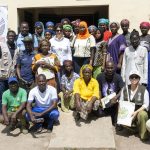
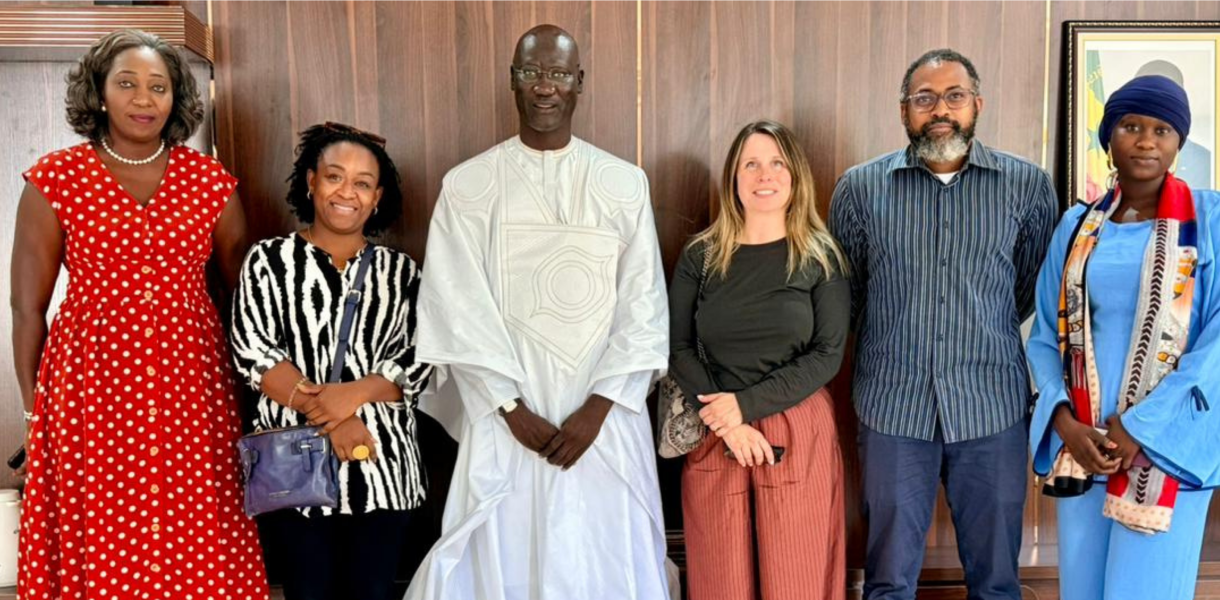
In Casamance, the delegation travelled to Ziguinchor and surrounding rural communities, visiting family farms, women’s cooperatives, processing facilities, and producer organizations. Meetings were held with representatives of the Municipality of Ziguinchor, including Joseph Sambou Faure, Head of the Department for Partnerships, Cooperation and Territorial Economic Development, as well as with ANRAC (National Agency for the Revival of Economic and Social Activities in Casamance). These discussions highlighted the region’s strong agricultural potential and the growing interest in developing farmers markets that connect local producers directly with consumers.
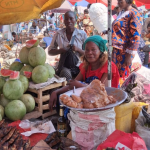
In the metropolitan area of Dakar, the mission explored the city’s evolving food system and met with a wide range of stakeholders promoting local food and agroecology. The delegation visited the Dakar Farmers Market, a member of the World Farmers Markets Coalition, and met with organizations including Made in Senegal, ANIDA (National Agency for Agricultural Integration and Development), and ENDA Pronat, all of which are actively supporting local agricultural entrepreneurship and sustainable food systems. Discussions also took place with representatives of the City of Dakar, who shared ongoing initiatives related to urban agriculture, school feeding programmes, and local food policies.
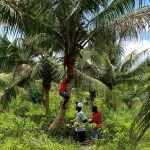
The final stage of the mission focused on the Niayes region, Senegal’s main horticultural production area. Visits to producer federations and cooperatives in Sangalkam and Taiba provided valuable insight into one of the country’s most important agricultural basins. The team met with cooperative leaders and producers who are working to strengthen local value chains while progressively transitioning towards more sustainable farming practices. The visits were carried out with the support of the Ministry of Agriculture, further reinforcing collaboration with national institutions.
Together, these visits provided a comprehensive overview of Senegal’s agricultural diversity while highlighting common themes that emerged across the different territories: the importance of family farming, the growing interest in agroecological production, the need to improve market access for producers, and the increasing commitment of institutions and communities to building more sustainable and resilient local food systems.
One of the most inspiring aspects of the mission was witnessing the strong commitment of many farming communities to sustainable agricultural practices. Across several rural areas, farmers are preserving traditional knowledge while adopting agroecological approaches that promote biodiversity, improve soil health, and make efficient use of local resources. Family farming plays a central role in this landscape, with women and producer organizations making a particularly important contribution to agricultural production, processing, and community development.
Throughout the mission, meetings with farmers, cooperatives, public institutions, and local organizations revealed a growing interest in strengthening connections between producers and consumers. While Senegal benefits from a wide variety of high-quality local products, many farmers continue to face challenges in accessing markets and receiving fair value for their work. Improving direct marketing opportunities and supporting shorter supply chains emerged as common priorities across the different regions visited.
The mission also highlighted the increasing attention being given to healthy diets and the promotion of local food. Municipal authorities, civil society organizations, and agricultural institutions are developing initiatives that encourage the consumption of locally produced food, support urban agriculture, and integrate local products into school feeding programmes. These efforts reflect a broader recognition of the role that sustainable food systems can play in improving public health, supporting local economies, and protecting agricultural biodiversity.
Across all the regions visited, the mission underscored the importance of investing not only in agricultural production but also in the infrastructure, skills, and organizational capacity needed to help farmers reach consumers more effectively. From storage and processing facilities to market organization and producer training, strengthening these elements will be essential to unlocking the full potential of local food systems.
This first mission marks the beginning of a longer journey. The knowledge gathered and the relationships established provide a valuable foundation for the next phases of the project, which will focus on supporting local partners, promoting sustainable agriculture, and exploring new opportunities to enhance farmers’ access to markets.
Senegal’s agricultural sector is rich in biodiversity, knowledge, and entrepreneurial spirit. By working together with local communities, producer organizations, municipalities, and national institutions, the World Farmers Markets Coalition looks forward to contributing to more resilient, inclusive, and sustainable food systems that benefit both producers and consumers.
Le projet “AREA Africa Sénégal” s’inscrit dans le cadre de l’initiative italienne de coopération internationale, développé au sein d’un partenariat public-privé équilibré dans le cadre du Plan Mattei pour l’Afrique.
Il s’inscrit spécifiquement dans le cadre de l’Action pour le renforcement des écosystèmes agroalimentaires en Afrique (#AREA), cofinancé par le Ministère des Affaires étrangères et de la Coopération internationale (#MAECI), avec le CIHEAM Bari comme partenaire de connaissance et organisme de mise en œuvre pour la composante publique, et le BFI comme partenaire privé.