A new initiative aimed at strengthening farmers markets and promoting sustainable rural development in the Andean region has officially begun. The project “Andes in Network: Strengthening Farmers’ Markets and Multifunctional Agriculture for a Sustainable Future – Phase I” focuses on Bolivia, Colombia, Ecuador and Peru and seeks to reinforce local food systems by connecting farmers markets through a shared network and a common vision of agricultural development.
The project is supported by the Italian Ministry of Foreign Affairs and International Cooperation (MAECI), in partnership with the World Farmers Markets Coalition (WorldFMC) and Coldiretti, together with a wide range of local organisations in the four target countries. These include farmers’ associations, agroecological markets and local institutions that already play a key role in supporting small-scale producers and promoting direct sales.
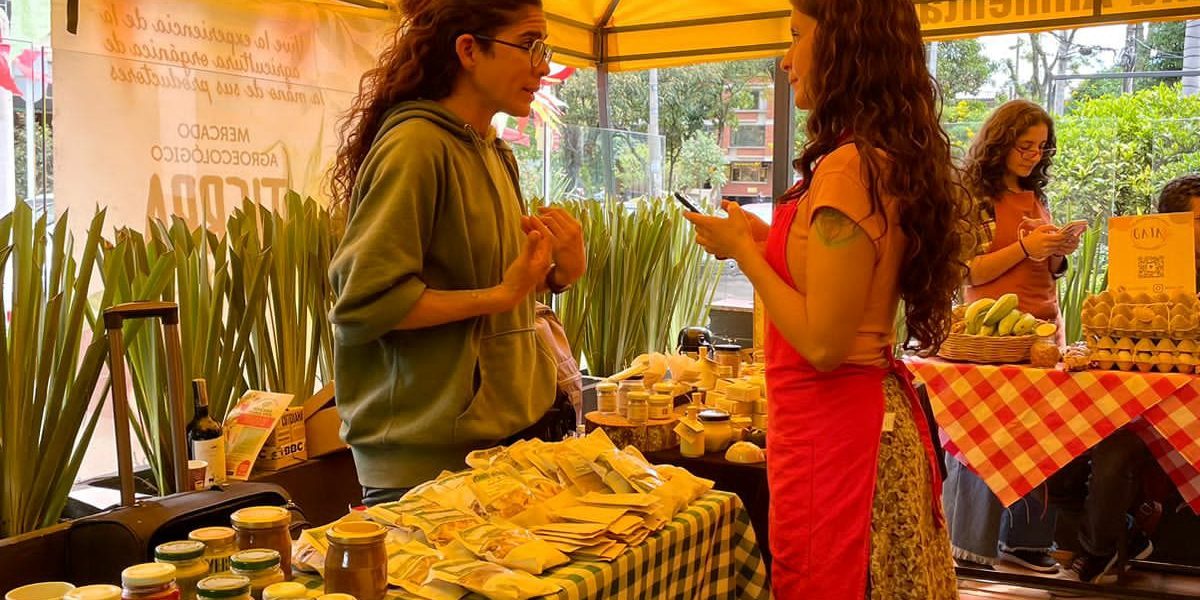
In recent decades, farmers markets have experienced a significant revival around the world. Within conventional agri-food systems, most of the commercial value is often concentrated in large-scale retail and food processing industries. Farmers markets, on the other hand, allow producers to sell directly to consumers, ensuring that farmers retain a larger share of the income and gain greater autonomy. Beyond the economic benefits, these markets also generate positive environmental impacts by encouraging more diversified and sustainable production systems.
The Andean region is characterised by extraordinary biodiversity and a rich culinary heritage that represents a fundamental resource for local socio-economic development. Traditional agricultural practices, native crops and local food cultures are central elements of this identity. However, despite the presence of numerous markets across the region, many of them remain poorly organised, operate irregularly or lack the infrastructure and skills needed to compete with other forms of food distribution. Strengthening these markets therefore represents an important opportunity to support rural communities while promoting sustainable local food systems.
The project is based on the Italian model of multifunctional agriculture and will be implemented in two phases. The first phase focuses on building a network of farmers markets in the Andean region and creating opportunities for knowledge exchange among farmers, market managers, researchers, local leaders and public institutions. Through a hybrid training programme that combines online learning and in-person activities, participants will have the opportunity to learn about best practices in multifunctional agriculture, market governance, value addition of local products and short supply chains.
A key component of the initiative is the exchange of experiences among the participating countries. Farmers markets will be paired through a “twinning” system, allowing market leaders to visit and learn from each other. In addition, selected participants from the four countries will take part in a study visit to Italy, where they will have the opportunity to experience the multifunctional agricultural model developed by Coldiretti and the Campagna Amica network. This experiential training will focus on direct sales, product valorisation and innovative strategies to strengthen local food systems.
The second phase of the project, planned for 2027 and subject to additional funding, will build on the results achieved during the first phase. It will include the organisation of the first official Andean Farmers’ Markets Seminar, bringing together farmers, market managers, researchers and policy makers for an intensive week of training, workshops and knowledge exchange. The seminar will also support the development of pilot projects aimed at improving market management, hygiene standards, product promotion and marketing strategies.
The overall objective of the initiative is to strengthen rural economies, improve the living conditions of small-scale farmers and promote food sovereignty across the Andean region. By supporting farmers markets and encouraging collaboration between local actors, the project aims to create more resilient local food systems while also protecting biodiversity and traditional food cultures.
Through this initiative, the Andean region has the opportunity to further enhance the value of its agricultural heritage and strengthen the connection between producers and consumers. By investing in training, cooperation and knowledge exchange, the project represents an important step towards a more sustainable and inclusive future for farmers, their families and their communities.