Written by WorldFMC President, Richard McCarthy
In Rome, the World Farmers Markets Coalition not only participated in the recent United Nations Food Systems Summit (dubbed UNFSS+2: Stocktaking Moment) but also during the Summit farmers markets were everywhere you turned. For delegates who seek to address the urgent challenges for food systems to serve the planet’s inhabitants, this was welcome news. After all, during the 2021 Pre-Summit in Rome, critics questioned how (without a concluding member-state agreement) can the Summit amount to anything more than talk?
The World Farmers Markets Coalition (or WorldFMC) emerged from the first UNFSS as a multi-stakeholder FAO Food Coalition with an important physical gathering in Rome hosted by the fledgling organisation’s Director General Carmelo Troccoli of Italy’s Campagna Amica. At the time, he pledged to FAO that “whatever necessary diplomatic discussions must occur, give us the room to flourish and farmers markets will show you action that reinvigorates local food systems centred around family farmers.”
Since 2021, the WorldFMC has grown from members in 7 countries to 50+. In May 2023, we held our first General Assembly and voted me as its first President. Very quickly, the Coalition joined forces with strategic partners, like FAO to evaluate farmers market success and replicability; CIHEAM Bari to build capacity in fragile communities in the Mediterranean and Sub Saharan Africa; and Divulga to build a Farmers Market Academy. As its membership climbs, one request from the field remains constant: “Help us to define precisely what is a farmers market, separate from other forms of markets.”
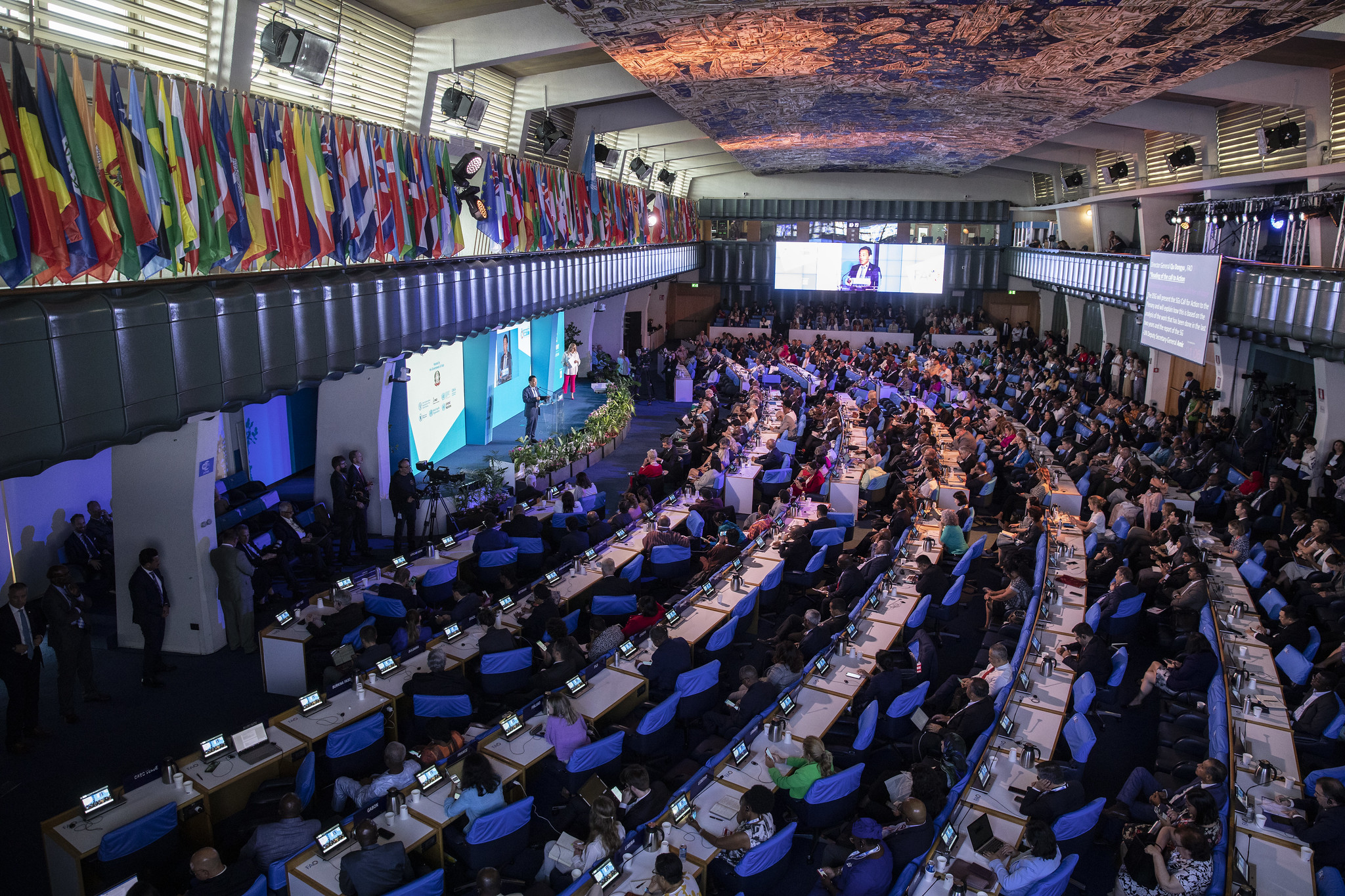
During the 2023 UNFSS+2, I reinforced this point during an intervention from the floor during a plenary session on the Summit’s second day, “Reversing the Food and Hunger Crisis,” by saying:
“Farmers markets do not just happen. When these ancient mechanisms are reimagined and managed for the 21st century, they are capable of achieving extraordinary things.”
This address was the first moment during the stocktaking that farmers markets drew attention from state- and non-state actors. From India to South Africa, Honduras to Colombia, they seek practical models to bridge the growing divide between urban, peri-urban, and rural communities.
It was the first moment, but not the last:
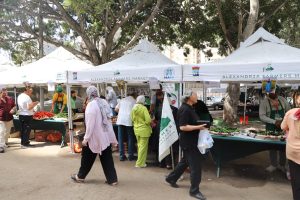
- Circo Massimo Farmers Market Gala: Coldiretti hosted an evening gala on the grounds of its flagship farmers market featuring farmers, food, and government representatives from all over the world. Welcome remarks from an illustrious lineup of speakers brought gravitas to farmers markets: UN Deputy Secretary General, Amina J. Mohammed; the Director General of FAO, Qu Dongyu; Italian Government Ministers Antonio Tajani and Francesco Lollobrigida; Coldiretti President Ettore Prandini and Secretary General Vincenzo Gesmundo; and World Farmers Markets Coalition Vice President, Ha Tran, who highlighted work in her native Vietnam to improve public policies that provide legal status to women farmers who sell crops on city streets.
- Side Event, Farmers Markets — A strategic tool to develop resilient and sustainable local food systems: Together with key partners, the Resilient Local Food Supply Chains Alliance, Food Tank, CIHEAM Bari, World Farmers Organisation, and the Italian Ministry of Foreign Affairs, we were able to address the need for investment to build managerial and governance capacity within market operations, leadership training for farmers to articulate their needs, and for markets to reposition themselves not as vehicles for nostalgia but for innovation. United States Department of Agriculture (USDA) Under Secretary for Marketing and Regulatory Programs Jennifer Lester Moffitt described the strategic US programmes to build capacity. Not only did she highlight the importance of farmers markets to give agriculture a human face, she applauded their verve during the COVID-19 pandemic: “When grocery stores were unable to open, farmers markets kept going because they knew how to adjust during difficulties.” The National Co-Convener of Food Systems for the National Planning Commission in Ghana, Mary Mpereh, expanded on Moffitt’s insight by describing the barriers that prevent farmers from achieving sustainable livelihoods: “the produce mafia who control prices and keep farmers and consumers apart undermine both interests.” You can watch the full side event here.
- The closing ceremony: During this final plenary, the World Farmers Markets Coalition got three favourable mentions from the stage. World Food Programme Executive Director Cindy McCain urged delegates to embrace the five-point call-to-action. Perhaps designed as a response to critics who only hear talk and see little action, it landed positively upon those in attendance. Notably, call-to-action number one falls in line strongly with the objectives of the WorldFMC: “Boost local production for local consumption.” UN Deputy Secretary General Amina J. Mohammed described her admiration for Coldiretti and the World Farmers Markets Coalition for cultivating leadership on the ground. FAO Director General Qu Dongyu also voiced his support: “Join me in celebrating the work of the World Farmers Markets Coalition to put more money in the farmers’ pockets, as I have supported this Summit outcome from the beginning.” Finally, host country Italy also joined in the chorus of support. An advocate for farmers markets as a tool for “soft power” in the world, Minister Antonio Tajani praised the World Farmers Markets Coalition to address food insecurity in the fragile corners of the Mediterranean.
International summits that are dominated by state actors, international agencies, and a wide array of development and diplomatic experts can be intimidating events. Language is often stilted with acronyms and jargon. In this regard, UNFSS+2 was similar to other international gatherings. However, this meeting differed in three important ways:
One, held in Rome during the hottest week in the hottest summer in the hottest year on the planet, climate change fought its way up onto the agenda. In particular, the voices of those whose populations are affected by climate most severely were effective in conveying the urgency and desperate need for change.
Two, aside from an aspirational five-point call-to-action, there was again no singular and binding document signed by member states. Critics may point to this as a weakness. However, I see it differently: Impressive leaders from Columbia, Honduras, Tunisia and others in the Global South successfully punctuated the point that the old order no longer works. Needs are not being met. It is time to change. While consensus about how this new order that calls for local resilience is structured has yet to be determined. Far worse than an agreement with hollow commitments, the UNFSS+2 instead provides the world with a glimpse into a messy real-time process for change.
Three, While no one likes change, those who have vested interests like it even less. Dialogue upon dialogue is one of the more effective delay techniques. Summits like UNFSS+2 contain a lot of dialogue. With civil society largely taking a pass and opting out of the Summit, an important pressure for action was also absent. However, this inadvertently placed even more pressure to identify programmatic and somehow familiar actions to count as outcomes. In this regard, farmers markets and public procurement in schools gained far greater real estate in the minds of meeting attendees than what one might have anticipated. Why? No matter one’s place on the map of power or geography, the appetite to just get started is universal. The sooner we begin to grow the new, the sooner we can liberate ourselves from the old.
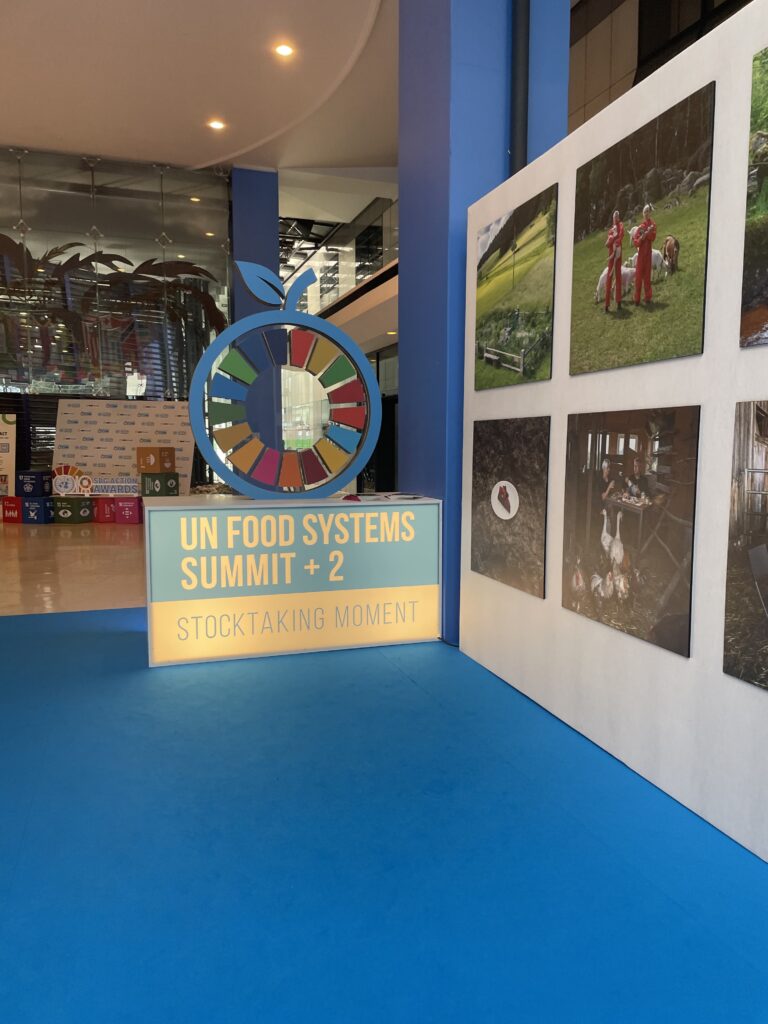
UNFSS+2 Stocktaking Moment 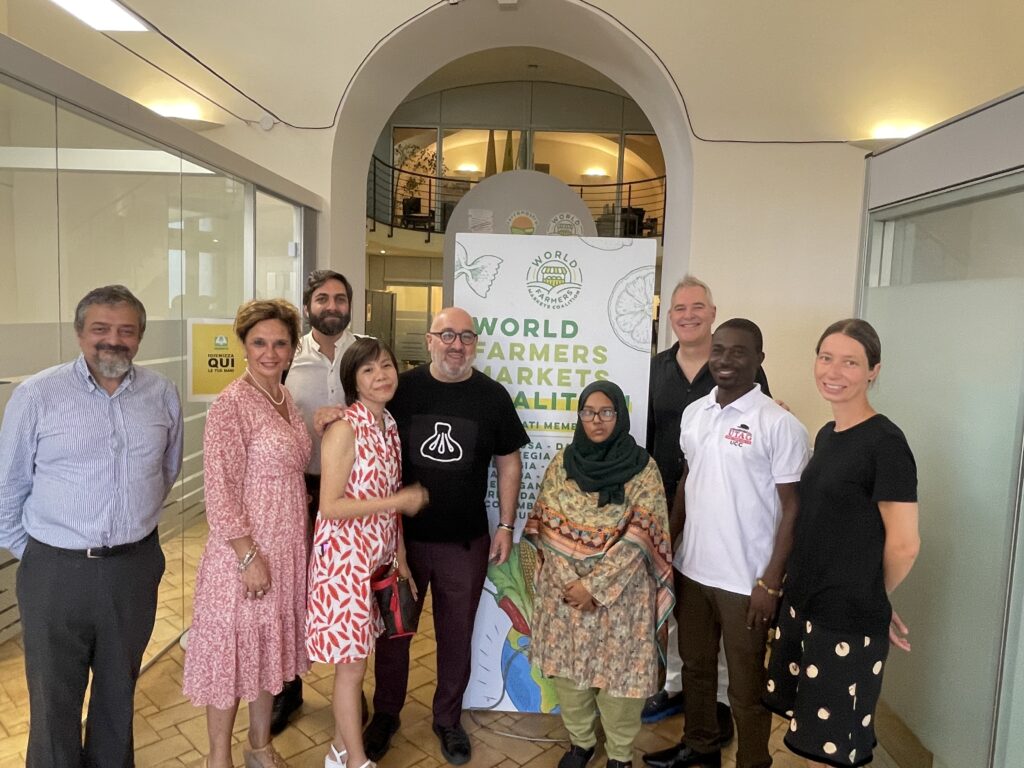
Our board gathering for the first in-person board meeting 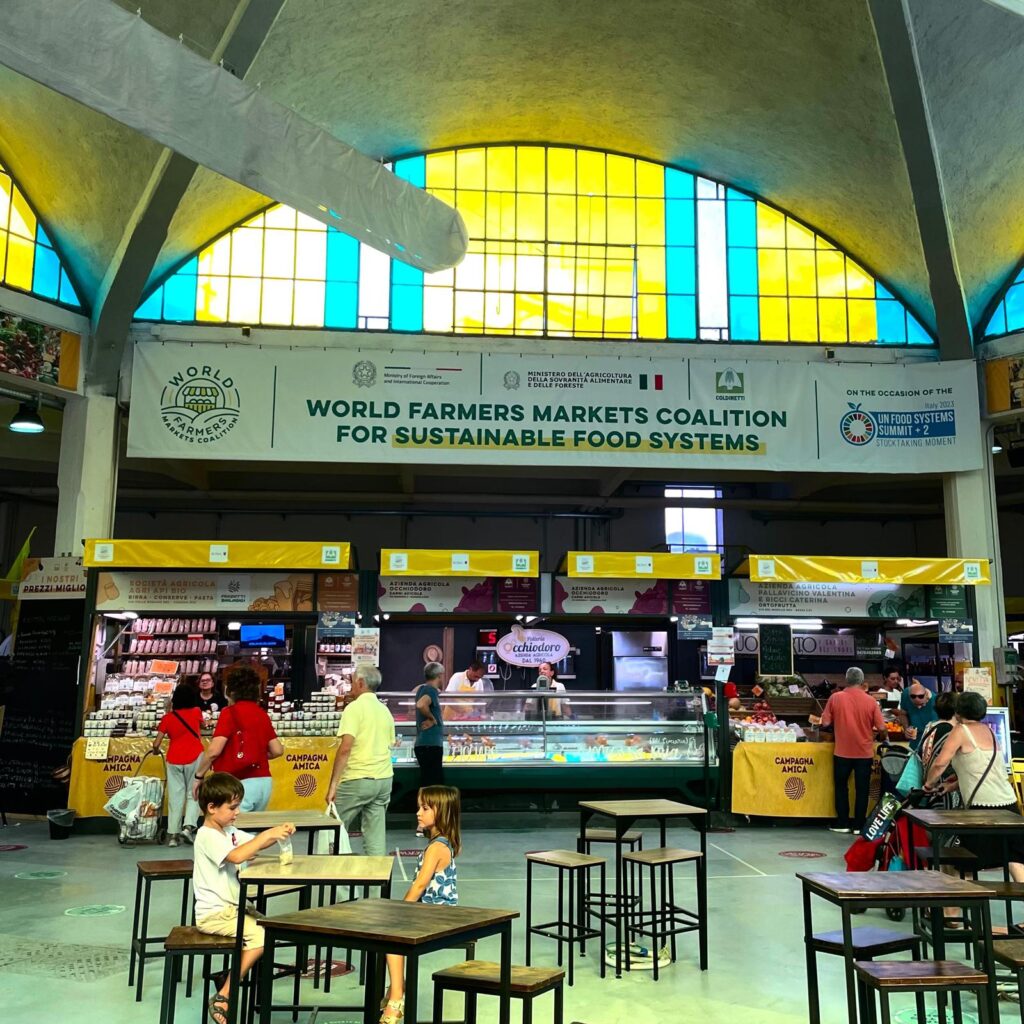
At the Circo Massimo Farmers Market during the Summit week 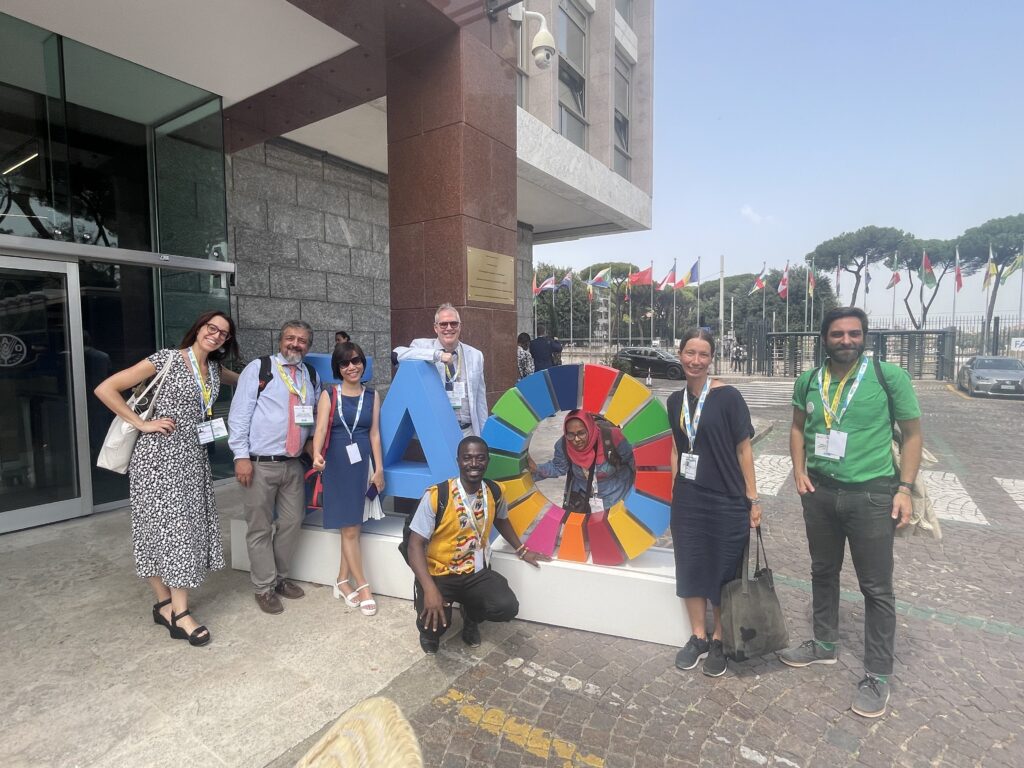
Board Members enter FAO for the first time! 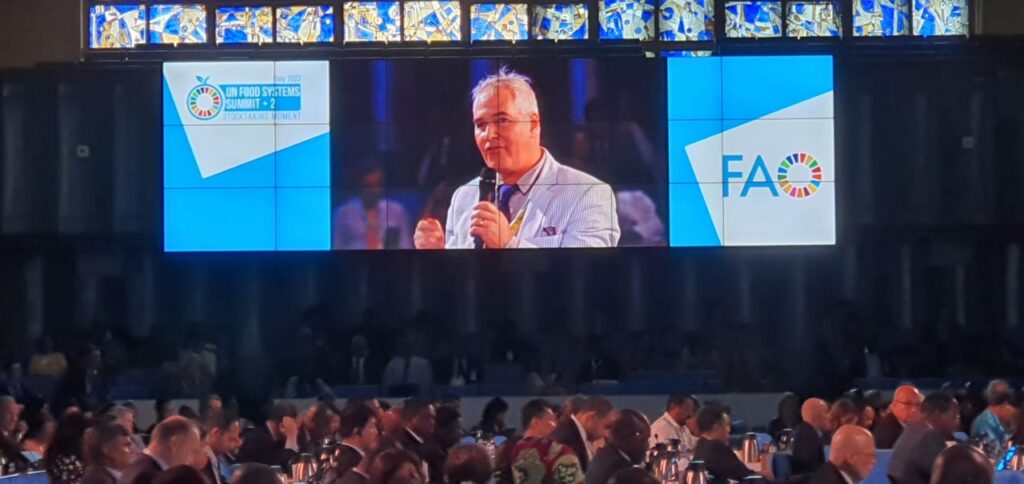
President Richard McCarthy’s intervention during Plenary Session #2 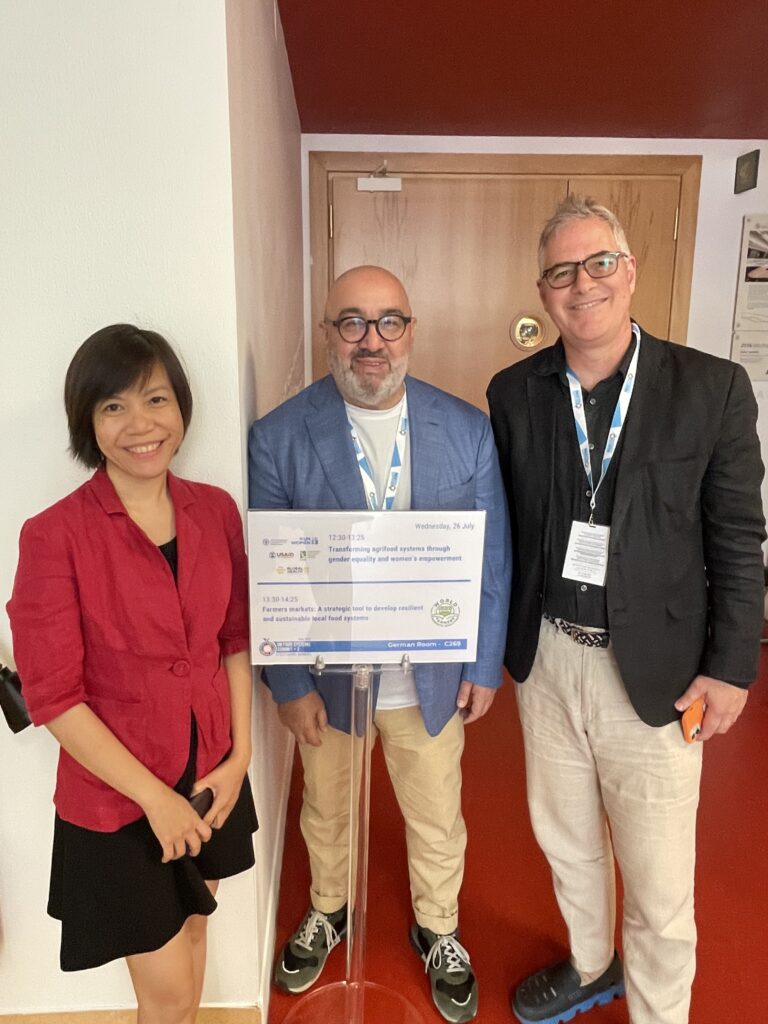
Vice President Ha, Director General Carmelo Troccoli, and President Richard McCarthy 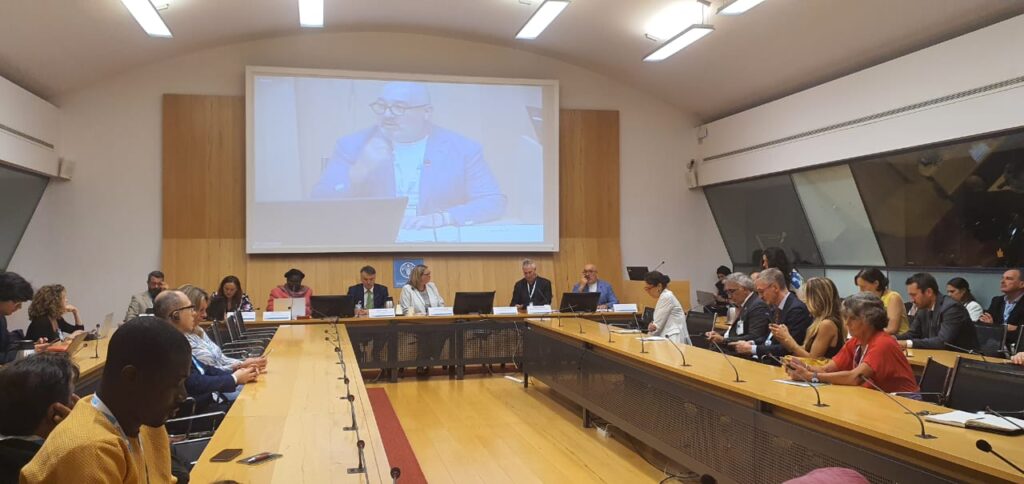
At the WorldFMC Side Event 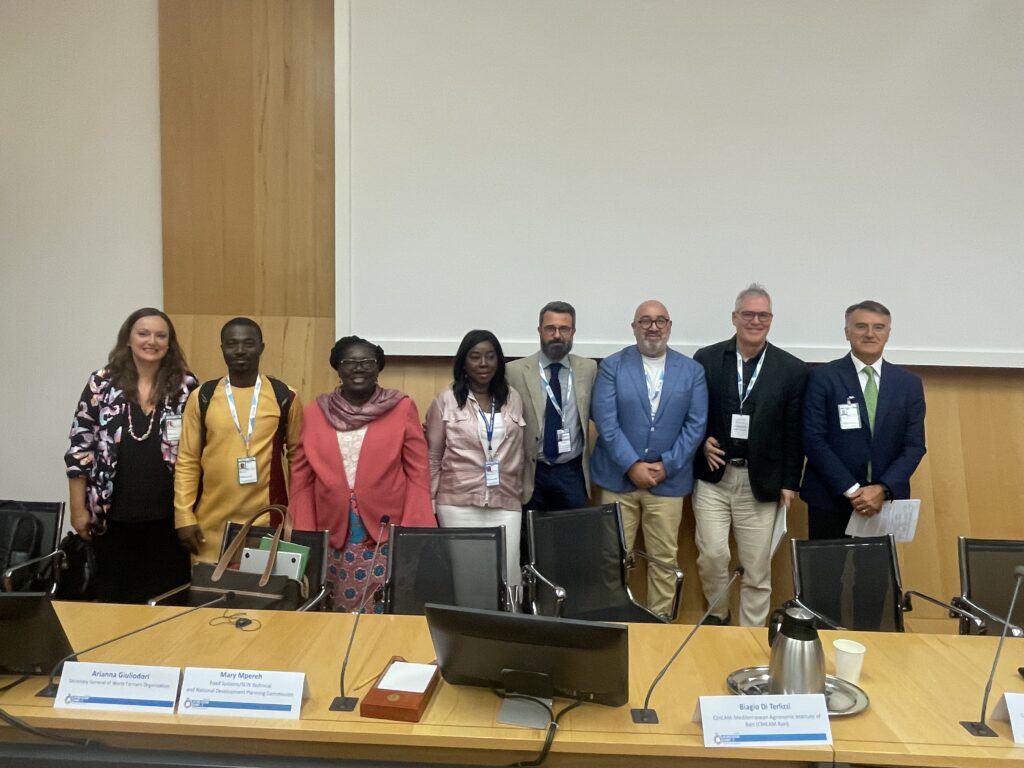
Panelists gather after the side event 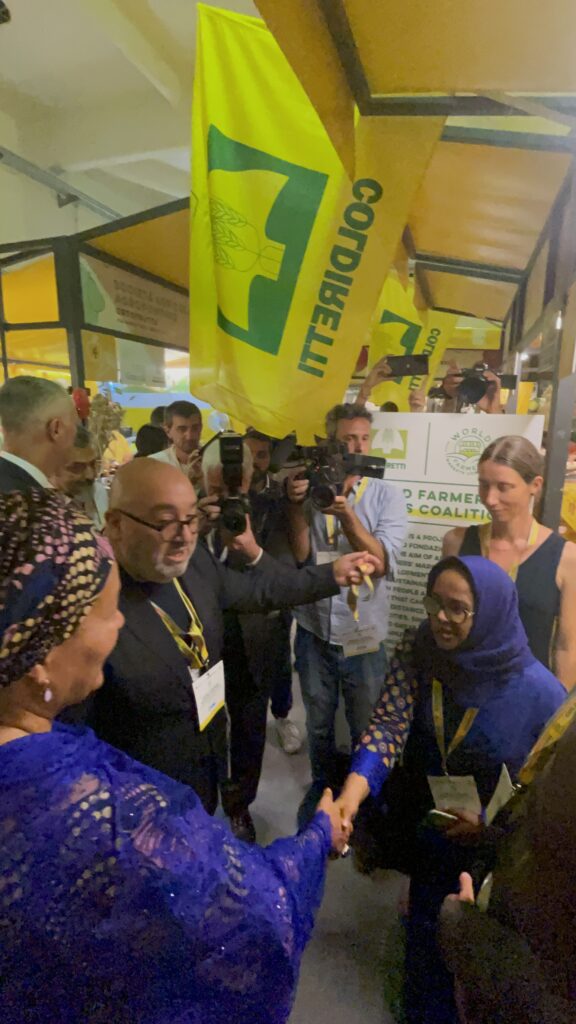
WorldFMC Director General Carmelo Troccoli introduces Deputy Secretary General of the UN Amina Mohammed to the WorldFMC Board Members 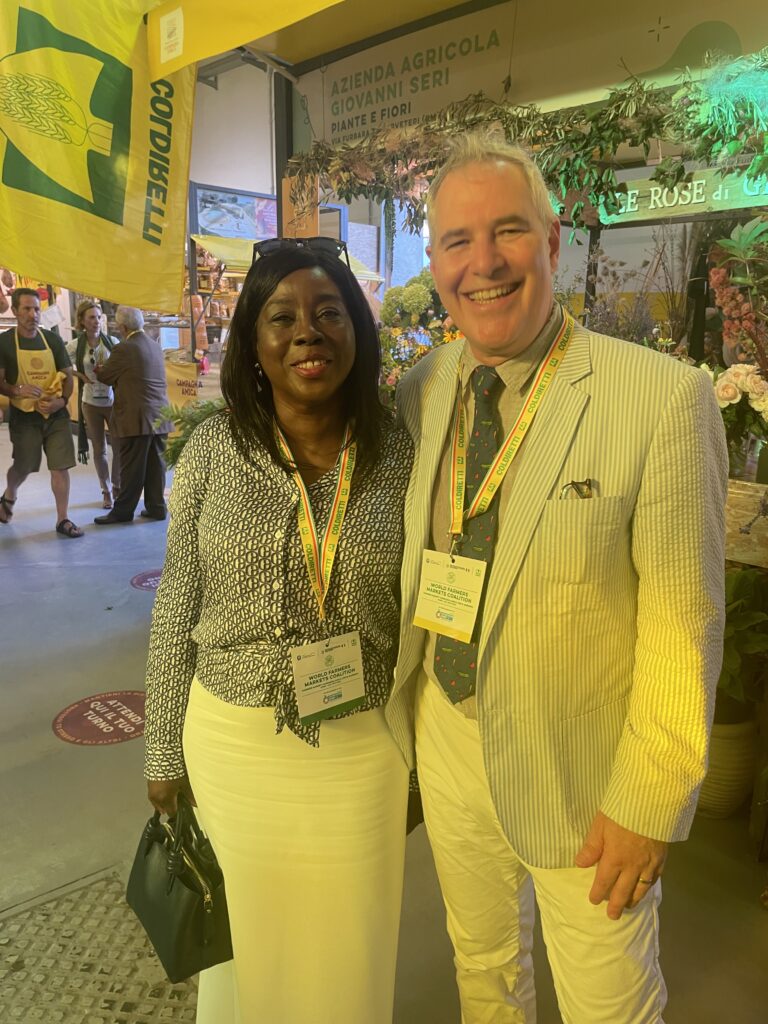
Samira Hotobah-During (Focal Point, RLFSCA) and President Richard McCarthy 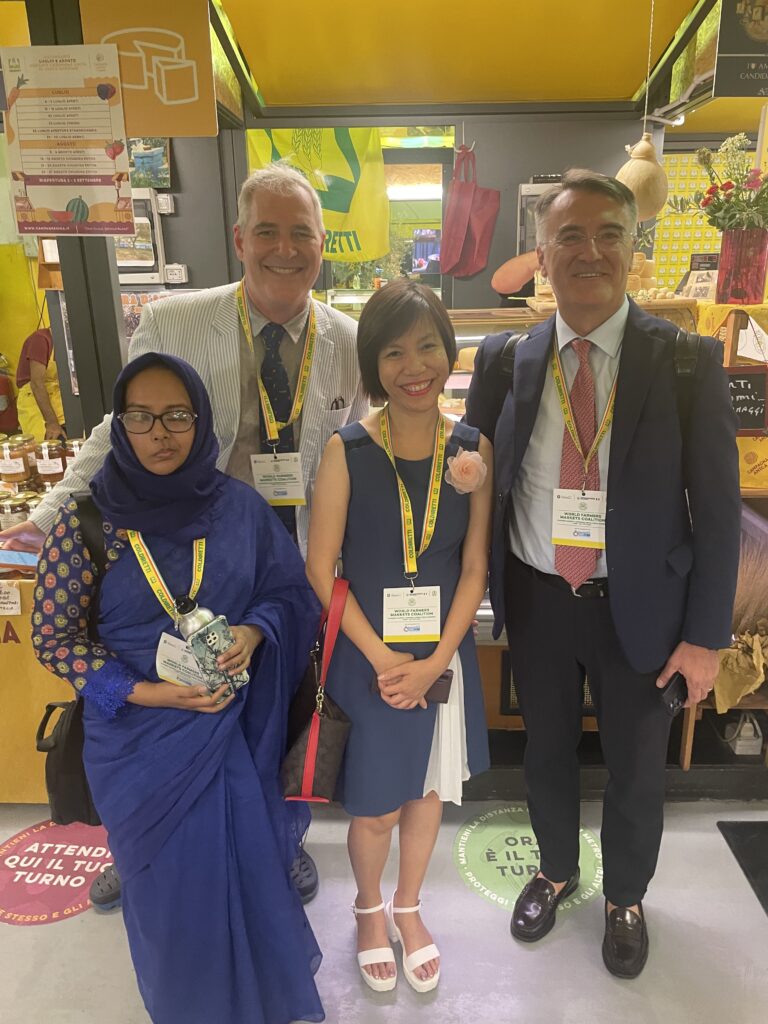
Board Members Ha and Naima with our President McCarthy and Biagio Di Terlizzi, Deputy Director of CIHEAM-Bari at the Circo Massimo Farmers Market 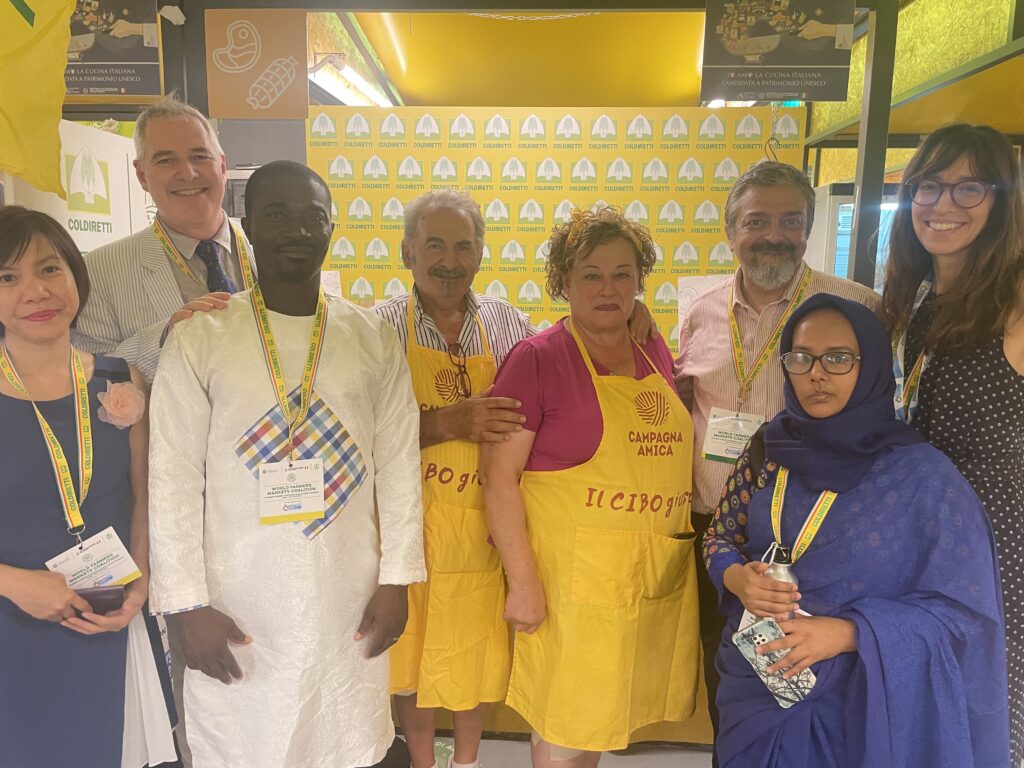
Board Members meet the producers at the Circo Massimo Farmers Market 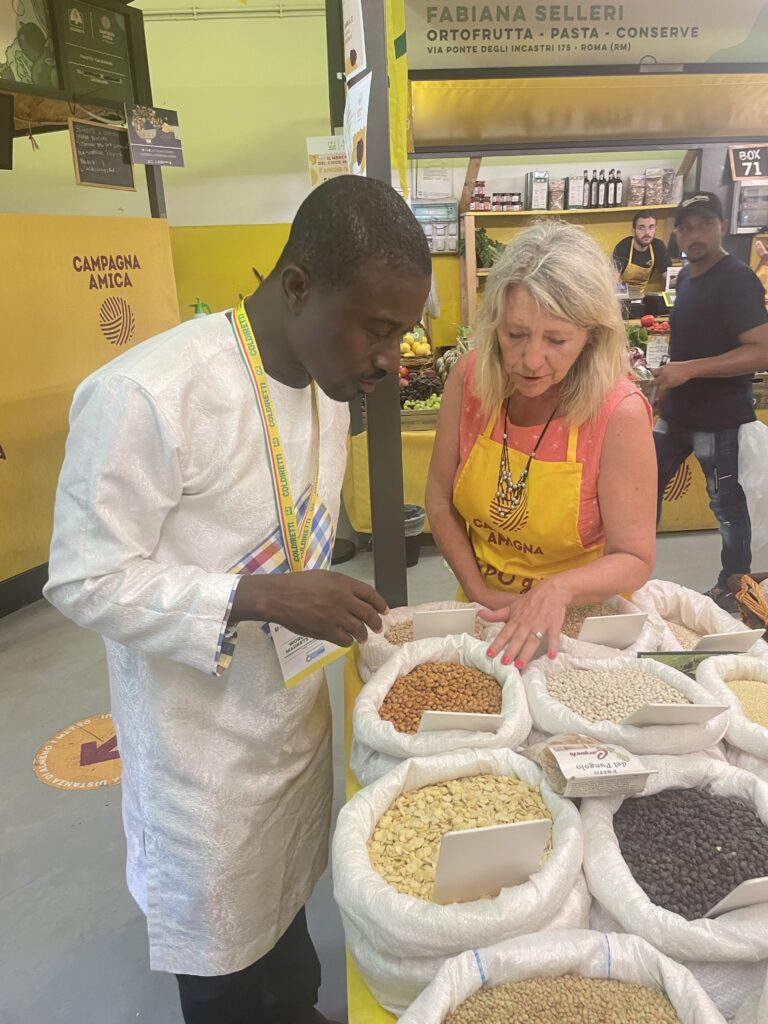
Selorm Akaba (Board Member) speaks with producer at the farmers market
Featured Photo Credit: FAO
Previous articles
Recent Posts
FMCOUNT! 2026 is here: Let’s count biodiversity at farmers ma...